
As reported on November 19, 2026, Bitcoin had fallen toward $62,000 for the second time in days. The central question was whether buyers would return while markets were pricing in further US interest-rate increases.
Fed governor Christopher Waller said inflation was moving in the wrong direction, with price pressures spreading into services. He favored a 50-basis-point increase in December, though he said a 25-basis-point move could work if the Fed clearly signaled another 25-basis-point increase in January. Those were his preferences, not an announced Fed decision.
Minutes from the Fed’s October meeting showed that officials had held rates at 3.75%–4.00% after a 25-basis-point increase in September. Nearly all participants thought further increases would be needed in the coming months if the economy developed as expected, but they differed on timing. Two raised the possibility of a December increase greater than 25 basis points if subsequent inflation data disappointed.
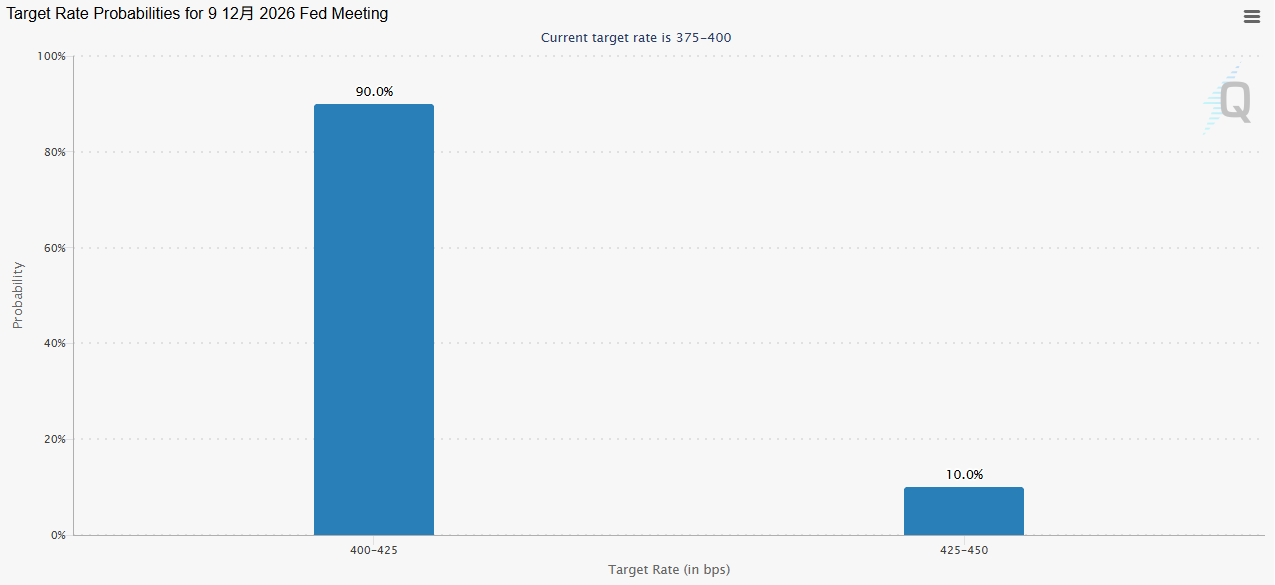
At the time of the report, CME data put the probability of a 25-basis-point December increase at 90% and a 50-basis-point increase at 10%. The probability of increases totaling 50 basis points by January was 75.5%. These were market-implied probabilities, not Fed commitments.
What matters at $62,000?
Bitwise chief investment officer Matt Hougan wrote on November 17 that unexpectedly high US inflation had raised expectations of a December rate increase. He said roughly $2 billion in leveraged positions were then liquidated over a thinly traded weekend, amplifying Bitcoin’s decline. Bitcoin had already approached $62,000 that weekend before returning to the level by November 19.
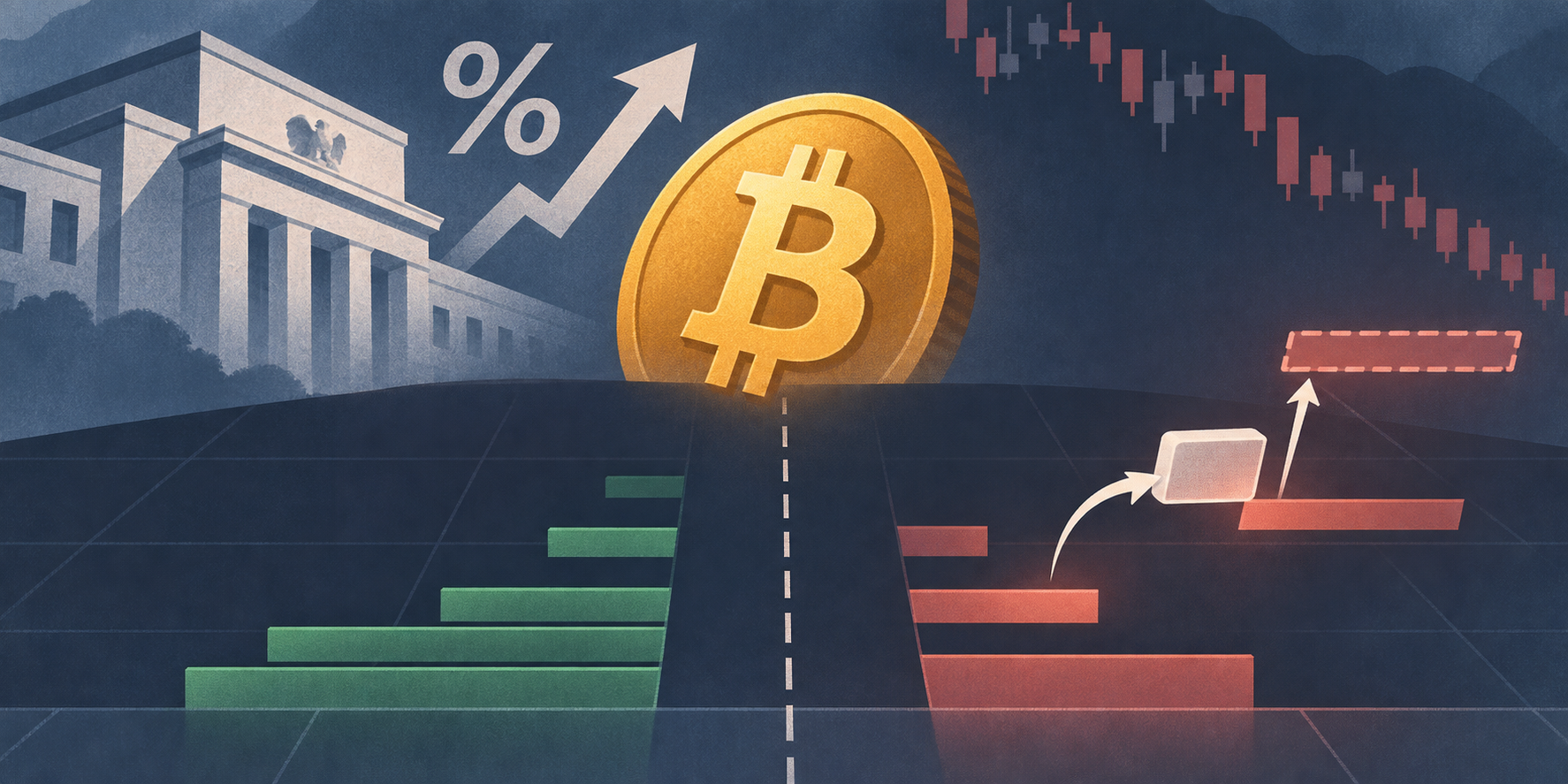
The next test was demand. Wintermute OTC trader Jasper de Maere saw little clear buying support from ETFs, crypto treasury companies, retail traders or institutions. Talos data showed that the total value of orders within 1% of Bitcoin’s mid-price was nearly 38% below its high for the year before the Binance hack cited in the report. A thinner order book can make a given trade move the price more sharply; it cannot, by itself, establish where a durable bottom lies.
Analysts disagreed on that bottom. Fidelity’s Jurrien Timmer said Bitcoin was near a support line in his long-term price model, while acknowledging that a decisive break below it would test the model. Wellington-Altus strategist James Thorne identified $57,000 as the level that would invalidate his bullish reading of the weekly chart. Trader Peter Brandt instead saw a possible head-and-shoulders pattern, which he said could point to more downside if confirmed.
The trade-off is between a potentially oversold market and the pressure of further rate increases, a strong dollar and high Treasury yields. Neither the $62,000 price level nor a long-term model resolves that uncertainty without evidence of sustained buying.