Originally reported by BlockBeats on November 15, 2026, at 13:59 UTC+8, citing Bloomberg.
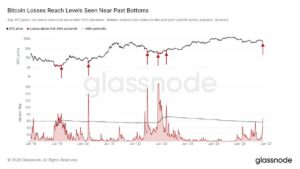
Bitcoin briefly fell toward $62,000 that weekend, its lowest level since July, according to the report. Rather than beginning with a sudden plunge, the decline had mostly unfolded during relatively quiet trading. Leveraged liquidations accelerated only in the preceding few days.
The report pointed to weaker spot buying alongside a stronger dollar and higher US Treasury yields. US spot Bitcoin ETFs saw nearly $3 billion in net outflows from October 30 through November 13. The 10-year Treasury yield rose above 5% amid expectations of further Federal Reserve tightening, increasing the opportunity cost of holding an asset that pays no interest. The report also cited renewed exchange-security concerns following a reported Binance theft and policy uncertainty after the US midterm elections.
Not every suggested cause can be measured. Joshua Lim, co-head of markets at FalconX, said discussion had focused partly on nearly $20 billion in stablecoin balances flowing out over the preceding month and the potential liquidity effect of Anthropic’s IPO. Bloomberg said some investors might have sold crypto holdings to fund IPO subscriptions, but the amount, if any, that moved directly from crypto into the offering was unknown.
Bitcoin had risen from below $65,000 in August to above $87,000 in late September after the US Treasury announced expanded buybacks of long-term bonds. By the reporting date, it had given back most of that rise, putting the roughly $58,000 low for the year back in focus. Ayesha Kiani, chief operating officer at Monarq Asset Management, said the near-term path depended chiefly on whether institutional demand stabilized and the macroeconomic backdrop improved risk appetite. Those conditions were uncertain, not a forecast of a sustained rebound.